




CNG
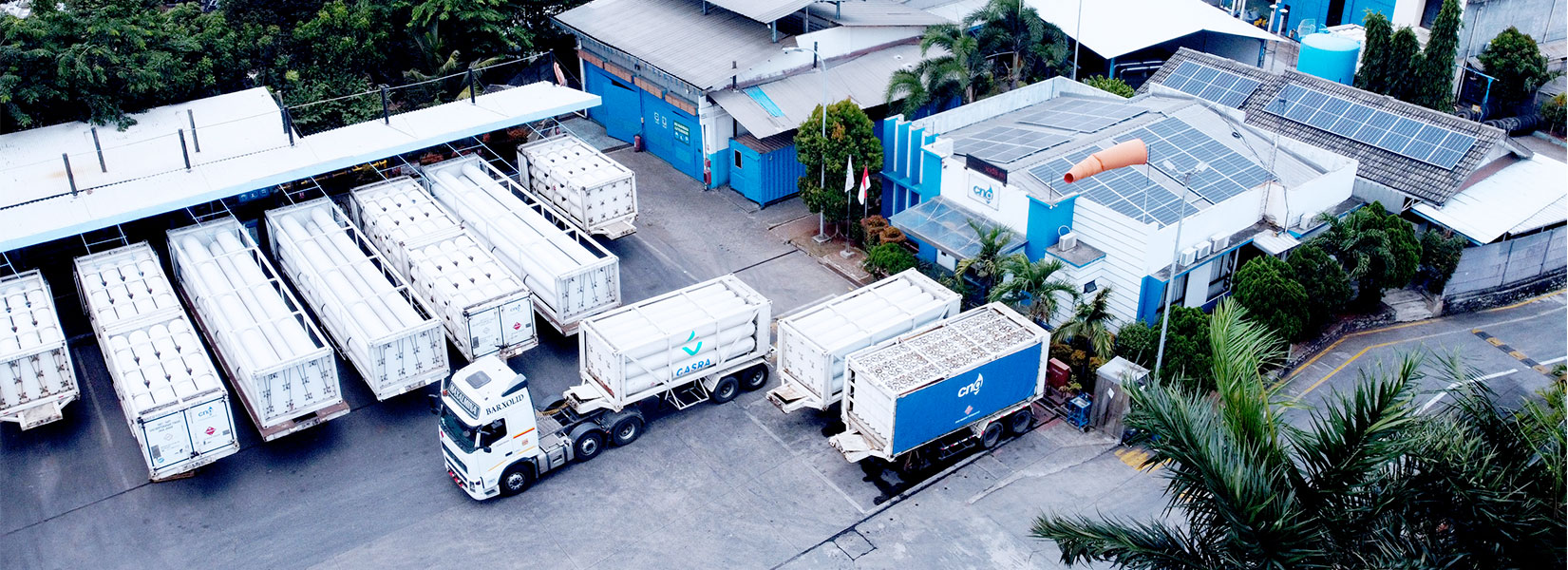
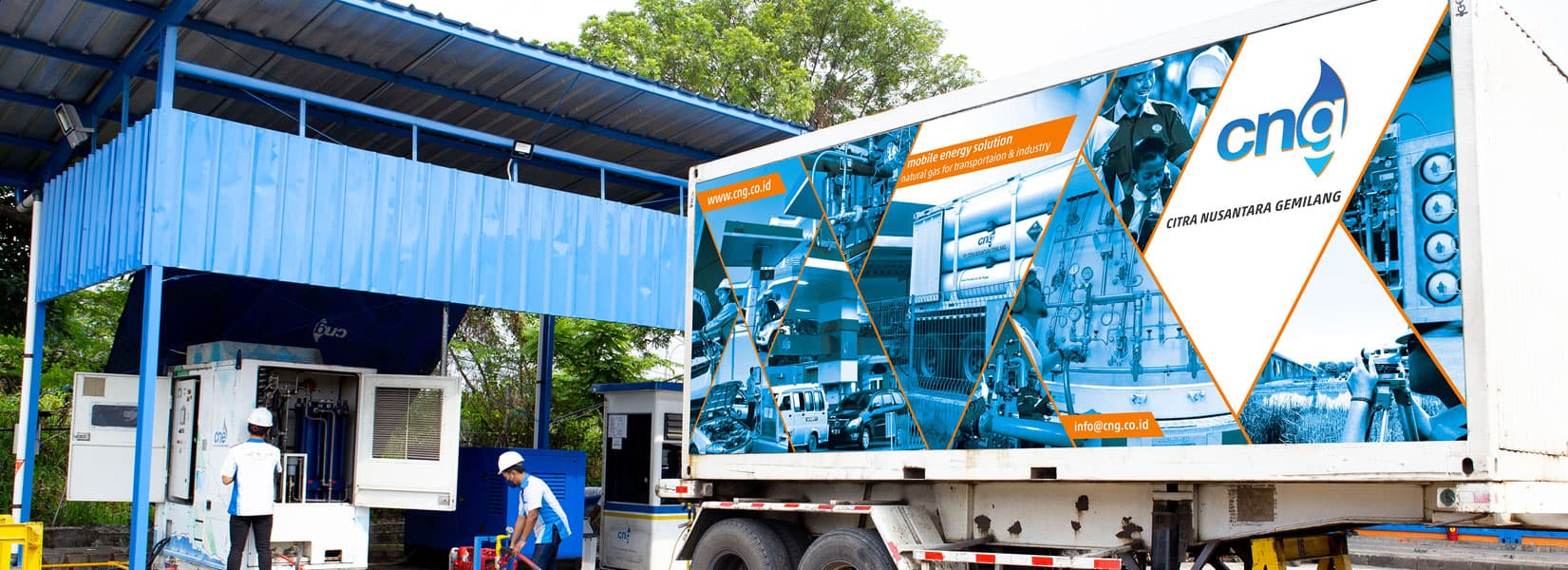
CNG is Compressed Natural Gas, the natural gas which is compressed until 200-250 Bar. Delivery of CNG using trailer which contain of cylinders. The mode of delivery can reach the area that far from piping network.
LPG
Liquefied petroleum gas (also called liquified petroleum gas, liquid petroleum gas, LPG, LP Gas, or autogas) is a mixture of hydrocarbon gases used as a fuel in heating appliances and vehicles, and increasingly replacing chlorofluorocarbons as an aerosol propellant and a refrigerant to reduce damage to the ozone layer.
Varieties of LPG bought and sold include mixes that are primarily propane, mixes that are primarily butane, and the more common, mixes including both propane (60%) and butane (40%), depending on the season—in winter more propane, in summer more butane. Propylene and butylenes are usually also present in small concentration. A powerful odorant, ethanethiol, is added so that leaks can be detected easily.
Gasoline
Gasoline or petrol is a petroleum-derived liquid mixture consisting mostly of hydrocarbons and enhanced with benzene or iso-octane to increase octane ratings, primarily used as fuel in internal combustion engines. Most Commonwealth countries or former Commonwealth countries, with the exception of Canada, use the term "petrol" (abbreviated from petroleum spirit). The term "gasoline" is commonly used in North America where it is often shortened in colloquial usage to "gas". This should be distinguished in usage from genuinely gaseous fuels used in internal combustion engines such as liquified petroleum gas (which is stored pressurised as a liquid but is allowed to return naturally to a gaseous state before combustion).
Diesel Fuel
Diesel or diesel fuel is a specific fractional distillate of fuel oil (mostly petroleum) that is used as fuel in a diesel engine invented by German engineer Rudolf Diesel. The term typically refers to fuel that has been processed from petroleum, but increasingly, alternatives such as biodiesel or biomass to liquid (BTL) or gas to liquid (GTL) diesel that are not derived from petroleum are being developed and adopted.
Residu (MFO)
Marine Fuel oil is a fraction obtained from petroleum distillation, either as a distillate or a residue. Broadly speaking, fuel oil is any liquid petroleum product that is burned in a furnace or boiler for the generation of heat or used in an engine for the generation of power, except oils having a flash point of approximately +40 °C (104 °F) and oils burned in cotton or wool-wick burners. In this sense, diesel is a type of fuel oil. Fuel oil is made of long hydrocarbon chains, particularly alkanes, cycloalkanes and aromatics. The term fuel oil is also used in a stricter sense to refer only to the heaviest commercial fuel that can be obtained from crude oil, heavier than gasoline and naphtha.
Kerosene
Kerosene, sometimes spelled kerosine in scientific and industrial usage, is a flammable hydrocarbon liquid. It is commonly called paraffin oil or paraffin in the UK and South Africa (not to be confused with the waxy solid also called paraffin wax or just paraffin); the term kerosene is usual in much of Canada, the U.S., Australia, and New Zealand.[2]
Its heating value, or heat of combustion, is around 18,500 Btu/lb, or 43.1 MJ/kg, making it similar to that of diesel. It is widely used to power jet-engined aircraft, but is also commonly used as a heating fuel.
“courtesy of Wikipedia”
CNG is Compressed Natural Gas, the natural gas which is compressed until 200-250 Bar. Delivery of CNG using trailer which contain of cylinders. The mode of delivery can reach the area that far from piping network.
LPG
Liquefied petroleum gas (also called liquified petroleum gas, liquid petroleum gas, LPG, LP Gas, or autogas) is a mixture of hydrocarbon gases used as a fuel in heating appliances and vehicles, and increasingly replacing chlorofluorocarbons as an aerosol propellant and a refrigerant to reduce damage to the ozone layer.
Varieties of LPG bought and sold include mixes that are primarily propane, mixes that are primarily butane, and the more common, mixes including both propane (60%) and butane (40%), depending on the season—in winter more propane, in summer more butane. Propylene and butylenes are usually also present in small concentration. A powerful odorant, ethanethiol, is added so that leaks can be detected easily.
Gasoline
Gasoline or petrol is a petroleum-derived liquid mixture consisting mostly of hydrocarbons and enhanced with benzene or iso-octane to increase octane ratings, primarily used as fuel in internal combustion engines. Most Commonwealth countries or former Commonwealth countries, with the exception of Canada, use the term "petrol" (abbreviated from petroleum spirit). The term "gasoline" is commonly used in North America where it is often shortened in colloquial usage to "gas". This should be distinguished in usage from genuinely gaseous fuels used in internal combustion engines such as liquified petroleum gas (which is stored pressurised as a liquid but is allowed to return naturally to a gaseous state before combustion).
Diesel Fuel
Diesel or diesel fuel is a specific fractional distillate of fuel oil (mostly petroleum) that is used as fuel in a diesel engine invented by German engineer Rudolf Diesel. The term typically refers to fuel that has been processed from petroleum, but increasingly, alternatives such as biodiesel or biomass to liquid (BTL) or gas to liquid (GTL) diesel that are not derived from petroleum are being developed and adopted.
Residu (MFO)
Marine Fuel oil is a fraction obtained from petroleum distillation, either as a distillate or a residue. Broadly speaking, fuel oil is any liquid petroleum product that is burned in a furnace or boiler for the generation of heat or used in an engine for the generation of power, except oils having a flash point of approximately +40 °C (104 °F) and oils burned in cotton or wool-wick burners. In this sense, diesel is a type of fuel oil. Fuel oil is made of long hydrocarbon chains, particularly alkanes, cycloalkanes and aromatics. The term fuel oil is also used in a stricter sense to refer only to the heaviest commercial fuel that can be obtained from crude oil, heavier than gasoline and naphtha.
Kerosene
Kerosene, sometimes spelled kerosine in scientific and industrial usage, is a flammable hydrocarbon liquid. It is commonly called paraffin oil or paraffin in the UK and South Africa (not to be confused with the waxy solid also called paraffin wax or just paraffin); the term kerosene is usual in much of Canada, the U.S., Australia, and New Zealand.[2]
Its heating value, or heat of combustion, is around 18,500 Btu/lb, or 43.1 MJ/kg, making it similar to that of diesel. It is widely used to power jet-engined aircraft, but is also commonly used as a heating fuel.
“courtesy of Wikipedia”